If you live in Pensacola, Gulf Breeze, Milton, Pace, or Cantonment, you already know what hurricane season feels like. The wind picks up, the sky turns that particular shade of green-gray, and suddenly every tree in your yard looks like a liability. A pre-storm tree inspection is the single most practical thing you can do before severe weather hits — and it’s far less expensive than dealing with the aftermath of a tree that comes down on your roof, fence, or vehicle. This article breaks down what a pre-storm tree inspection actually involves, what warning signs to look for, and when it’s time to call a professional.
A pre-storm tree inspection isn’t just a quick walk around your yard. It’s a systematic look at the health, structure, and placement of every significant tree on your property. The goal is to identify trees or limbs that are likely to fail under high wind loads before they get the chance to cause damage.
During a professional inspection, an arborist looks at several things that most homeowners wouldn’t think to check — or wouldn’t know how to evaluate if they did. What a Pensacola arborist actually does goes well beyond what most people imagine. It involves reading the structure of a tree the way a mechanic reads an engine: looking for stress points, decay, and hidden weaknesses that aren’t obvious from the surface.
Here’s what a thorough pre-storm tree inspection typically examines:
You don’t need to be an arborist to do a basic visual scan of your trees before storm season. There are several red flags that should prompt you to pick up the phone immediately.
Vertical cracks running along a trunk or large branch are a serious warning sign. These often indicate internal stress or decay that has already progressed. A tree with a visible split near the base or at a branch union can fail suddenly, even in winds that wouldn’t seem severe enough to cause it.
Mushrooms, shelf fungi, or any other fungal growth at the base of a tree — or on the root flare — is a sign of internal rot. The outside of the tree may look completely normal while the interior is compromised. Don’t assume a tree is safe just because it looks green and full.
Known in the industry as “widow makers,” these are branches that are already partially detached but haven’t fallen yet. They’re extremely dangerous because they can drop without warning — during a storm or on a calm day. If you see a hanging branch, treat it as urgent.
If you’re not sure what your tree trimming service should be doing to address these issues, it helps to understand what tree trimming services actually include — because proper pruning isn’t just cosmetic. It directly affects how a tree performs in a storm.
The Gulf Coast is not a gentle environment for trees. Between the humidity, the sandy soil, the salt air in places like Gulf Breeze, and the direct exposure to Gulf storms, trees here face stress that trees in most other parts of the country simply don’t deal with. That changes the risk profile significantly.
Sandy, loose soil means root systems don’t always anchor as deeply or as firmly as they would in denser ground. Salt exposure can weaken tree health over time in coastal areas. And the storm patterns we see in Pensacola and surrounding communities — fast-moving systems that intensify quickly — mean you may have less warning time than you’d like.
That’s part of why tree trimming in Santa Rosa County is different from other places. The local conditions, tree species, and storm exposure all factor into how trees should be maintained — and what to look for when you’re inspecting them.
There’s also a distinction worth understanding between standard tree care and work that’s specifically designed to hold up in severe weather. What storm-safe tree services actually mean is worth reading if you want to understand the difference between routine pruning and the kind of structural work that actually reduces storm risk.
A pre-storm tree inspection isn’t just a report — it should result in a clear action plan. Depending on what the arborist finds, the recommended steps might include:
The timing matters here. Scheduling this work before a storm is announced gives you options. Once a named storm is in the forecast, crews are booked out fast, prices can shift, and you may simply run out of time to get the work done safely.
At minimum, once a year before hurricane season begins — typically late spring. If you’ve had significant weather events, drought, or you notice changes in your trees (new cracks, sudden leaf loss, fungal growth), don’t wait for the annual window. Have it looked at as soon as you notice a problem. Trees can deteriorate quickly under stress.
You can do a basic visual check, and it’s worth doing. Look for obvious issues like dead branches, visible cracks, leaning, and fungal growth. But a DIY walk-around is not a substitute for a professional inspection. An arborist is trained to spot structural problems that aren’t visible to the untrained eye — internal decay, root issues, subtle crown imbalances — and to assess overall risk accurately.
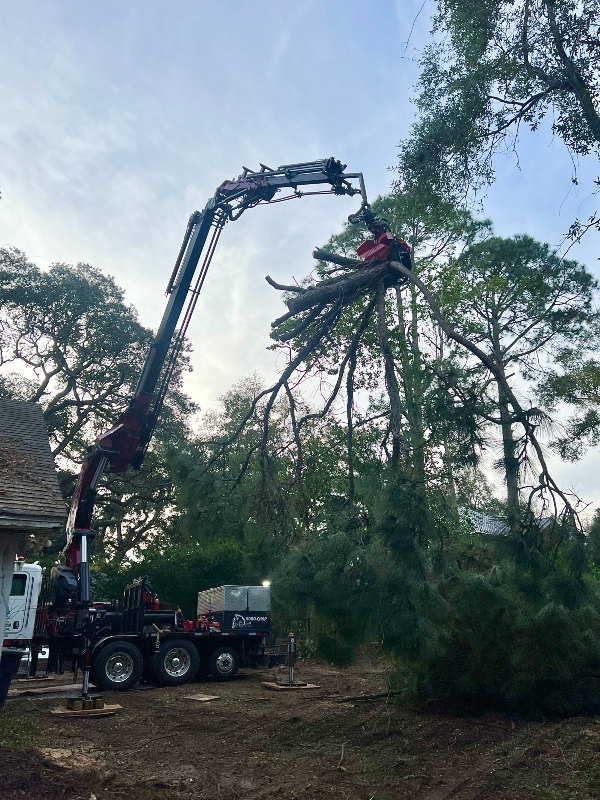
Document any damage as thoroughly as you can and check with your insurance provider about your coverage — policies vary significantly, so review your specific terms and ask your insurer about timelines and requirements before assuming anything. Then call a tree service for emergency assessment. Holston Tree Service handles storm cleanup and emergency tree removal throughout the Pensacola area, including Milton, Cantonment, Pace, and Gulf Breeze.
The inspection itself is an assessment. If removal or other work is recommended, that’s a separate service with its own scope and cost. A reputable company will walk you through what they found and give you a clear explanation of why they’re recommending what they’re recommending — not just hand you a bill for the most expensive option.
Don’t wait until the storm is in the forecast. If you’re in Pensacola, Cantonment, Gulf Breeze, Milton, or Pace, Holston Tree Service can perform a thorough pre-storm tree inspection and handle any trimming, removal, or structural work that needs to happen before severe weather arrives. We’re local, we’re experienced with Gulf Coast conditions, and we give you straight answers — no pressure, no upselling. Contact Holston Tree Service today to schedule your inspection and go into storm season knowing your property is as prepared as it can be.
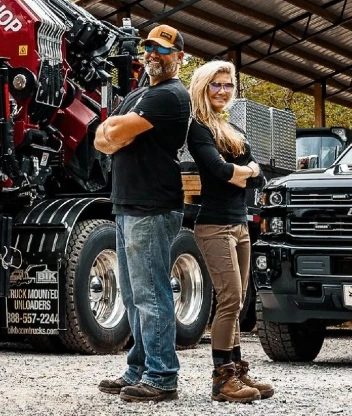
Mike Holston & Amanda Holston are the husband-and-wife team behind Holston Tree Service, serving Pensacola and Northwest Florida with expert tree removal, trimming, and storm cleanup.
Mike oversees operations and customer care, while Amanda is ISA TRAQ-Certified and an ISA Certified Arborist, bringing specialized training in Tree Risk Assessment and advanced pruning prescription plans to every project.
Proudly serving Pensacola, Cantonment, Gulf Breeze, Milton, Molino, Jay, and Pace with certified tree care and 24/7 emergency service.