If you own a home in the Pensacola area, there’s a good chance trees are one of your property’s biggest assets — and occasionally, one of its biggest headaches. Finding a reliable residential tree service company means more than just picking someone with a chainsaw and a truck. It means finding a team that understands the trees on your property, the local climate, and what it actually takes to keep your yard safe, healthy, and looking its best year-round. This guide breaks down what to look for, what services you actually need, and how to make a smart decision before you ever pick up the phone.
A lot of homeowners assume tree service is just removal — a tree falls or gets too big, and someone comes to take it down. In reality, a full-service residential tree service company handles a wide range of work that goes well beyond cutting things down. Here’s a realistic picture of what that looks like:
Understanding this full scope helps you ask the right questions when you’re vetting companies and makes sure you’re not hiring a one-service operation when your property needs more comprehensive care.
Living in Northwest Florida comes with a specific set of tree-related challenges that homeowners in other parts of the country simply don’t deal with at the same level. The combination of sandy soil, high humidity, and an active hurricane season creates conditions where trees can become hazardous faster than they would elsewhere.
Whether you’re in Gulf Breeze, Pace, Milton, or Cantonment, you’ve seen what a tropical storm or hurricane can do to mature trees. Weak root systems, overgrown canopies, and trees positioned too close to structures become serious risks once wind picks up. Regular maintenance — especially pruning for wind resistance — isn’t just about looks. It’s about reducing what becomes a projectile or a crushing weight when conditions turn bad. For a deeper look at what preparation actually involves, what storm safe tree services actually mean is worth reading before storm season arrives.
Not every damaged or leaning tree is an immediate emergency — but some absolutely are. A tree pressing against your roofline, one that’s uprooted and shifting, or a hanging limb suspended over an entry point to your home all require fast action. Knowing what counts as a tree emergency can help you respond appropriately rather than waiting on a situation that’s actively getting worse.
There’s no shortage of people willing to do tree work in the Pensacola area. The challenge is separating the professionals from the guys with a truck who’ll disappear if something goes wrong. Here’s what actually matters:
Even well-meaning homeowners make decisions that end up costing more money or creating more risk. A few of the most common:
Waiting too long: A dead or dying tree doesn’t improve on its own. The longer you wait, the more unstable it becomes — and the more complicated (and expensive) the removal gets. If you’ve noticed a tree that looks off, get it assessed sooner rather than later.
Skipping stump removal: It’s easy to treat stump grinding as optional after a tree comes down. But leftover stumps attract insects, can harbor fungal growth that spreads to other trees, and create obstacles for mowing and landscaping. Addressing it at the time of removal is almost always the smarter call.
DIY on large trees: Trimming a small ornamental tree with a ladder and handsaw is one thing. Taking a chainsaw to a 60-foot oak next to your house is another. The risk of a serious injury or property damage is real, and it’s not worth it when professional help is available.
Hiring on price alone: The lowest quote isn’t always the best deal. When the work involves your home, your family’s safety, and potentially tens of thousands of dollars in property damage if something goes wrong, cutting corners on who you hire is a false economy.
For most residential properties, having a professional look at your trees once a year is a reasonable baseline — more frequently if you’ve had storm activity, noticed changes in the trees themselves, or if you have large trees close to your home. An arborist can catch problems early before they become expensive or dangerous.
It depends on your specific policy and the circumstances of the damage. Many policies cover removal when a tree falls and damages a covered structure, but coverage for trees that fall in the yard without hitting anything is often more limited. Check your policy directly and consult with your insurance provider — coverage terms vary widely, and the details matter.
Trimming is generally about appearance — keeping a tree’s shape clean and growth in check. Pruning is more targeted: removing specific branches for the health of the tree, to improve structure, reduce weight, or clear hazards. A professional arborist can tell you which approach your trees actually need rather than just doing whichever is easier.
That’s not always a simple call, and it’s honestly one of the best reasons to have a certified arborist involved. In general, trees that are more than half dead, have significant structural damage at the trunk, are leaning dangerously, or are actively threatening a structure are strong candidates for removal. But each tree is different, and a professional assessment gives you real information to work with rather than guesswork.
If you’re a homeowner in Pensacola, Cantonment, Gulf Breeze, Milton, or Pace and you’re looking for a residential tree service company you can actually count on, Holston Tree Service is ready to help. We handle everything from routine pruning and stump grinding to full tree removal and emergency storm response — all with the local knowledge and professional standards your property deserves. Contact Holston Tree Service today to schedule an assessment and get a straightforward quote on whatever your yard needs.
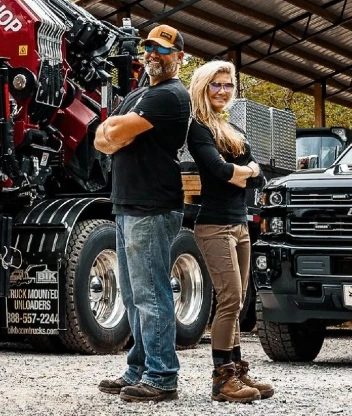
Mike Holston & Amanda Holston are the husband-and-wife team behind Holston Tree Service, serving Pensacola and Northwest Florida with expert tree removal, trimming, and storm cleanup.
Mike oversees operations and customer care, while Amanda is ISA TRAQ-Certified and an ISA Certified Arborist, bringing specialized training in Tree Risk Assessment and advanced pruning prescription plans to every project.
Proudly serving Pensacola, Cantonment, Gulf Breeze, Milton, Molino, Jay, and Pace with certified tree care and 24/7 emergency service.